


Coach reviewing a stalled weight loss trend with a client at Aspire Trim Clinic near Charlotte, NC
Matthews

Weight Loss Plateau in Charlotte, NC: How We Coach You Through It

Common InAdults a few weeks into a plan that worked at first
Contributing FactorsMetabolic adaptation, lost muscle, sleep, hidden intake, scale noise
Program Length6-week protocol with check-ins through week 12
What ChangesFat and lean mass tracked by 3D scan, plan adjusted at each check-in
Client describing a weight loss plateau during a free consultation at Aspire Trim Clinic in Charlotte, NC

Weight Loss Plateau: What You May Be Noticing

Normal, explainable, and fixable with the right information

You were losing steadily, then the scale stopped. Three weeks, maybe four, with the same eating and the same workouts, and the number will not move in either direction. If you have been searching for how to break a weight loss plateau near Charlotte, you have probably already tried eating less and moving more, and that made you hungrier and more tired without making you lighter. Clothes fit the same, motivation is slipping, and the thought that this is as far as you can go has started to creep in.

A plateau is normal and it is explainable. We define it the way most coaches do: no change in weight or measurements for three to four weeks under consistent conditions. Shorter stalls are usually water, salt and timing rather than a true plateau. The CDC's healthy weight guidance describes weight loss as gradual and uneven rather than a straight line, and the stall is the point where your plan needs new information, not more willpower.

Reviewed by Brent Mague, MBA, ISSA Weight Management Specialist and Nutritionist. Medical statements describe care provided by Impact Health Network licensed physicians. Last updated: October 2026.

Explaining metabolic adaptation and scale noise behind a weight loss plateau at Aspire Trim Clinic Charlotte

Why a Weight Loss Plateau Happens

Three reasons, in the order we check them

The first reason is that your body changes as you lose. A smaller body burns fewer calories at rest, and researchers consistently find that resting energy expenditure often drops further than the lost tissue alone would predict, a response called adaptive thermogenesis. Appetite hormones shift at the same time, so hunger rises as your burn falls. The deficit that produced steady loss in week two can quietly shrink to nothing by week eight. If some of what you lost was muscle, because protein was low or there was no resistance work, the drop is larger. That is why we check lean mass with a 3D body composition scan before deciding anything.

The second reason is intake creep. Portions grow a little, cooking oil stops being counted, weekend meals drift, and a few hundred untracked calories a day is enough to close a modest deficit. Sleep matters here more than most people expect: in controlled studies, short sleep commonly raises next-day hunger and food intake, and a stressful month pushes meals toward whatever is fast. None of this is a character flaw. It is the normal pattern of a plan written for a different week than the one you are living.

The third reason is that the scale is a poor instrument over short windows. Water shifts from sodium, carbohydrate intake, a new training block or the menstrual cycle can mask a pound or two of real fat loss for weeks. Some clients who believe they have plateaued are still losing fat while gaining a little muscle, and a bathroom scale cannot tell the two apart. When the stall is in your metabolism rather than your measurements, genetic and metabolic testing in Charlotte, NC can show how you handle macronutrients, and labs ordered by Impact Health Network licensed physicians rule out thyroid and blood sugar factors.

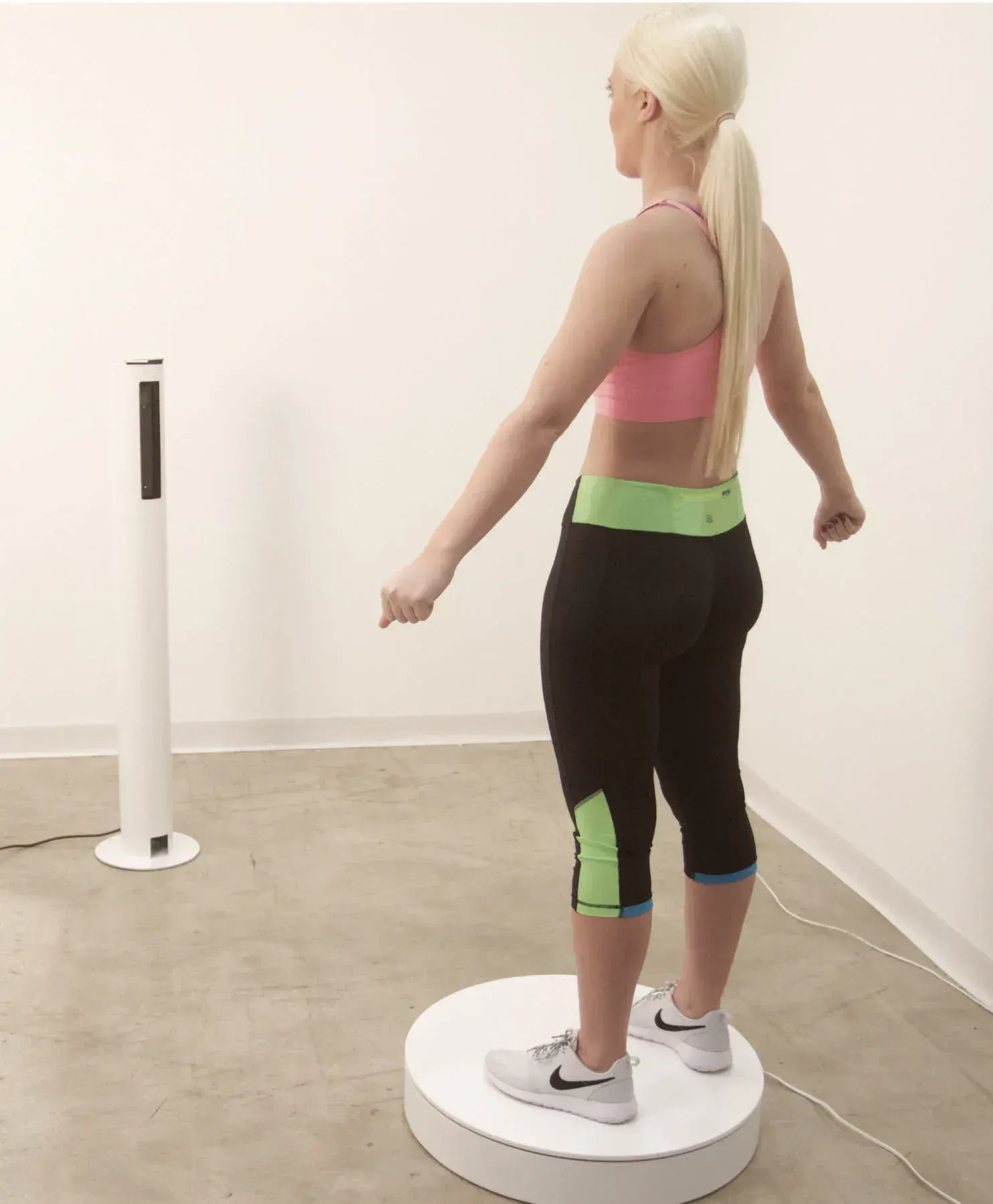
Styku 3D body composition rescan used to confirm a weight loss plateau at Aspire Trim Clinic in Matthews, NC

How We Coach You Through It

Measure first, then change one thing

We measure before we change anything. Your first step is a Styku 3D body composition scan, about 35 seconds, that gives us 33 measurements including body fat percentage and lean mass. Compared with your earlier scans, or with a fresh baseline if you are new to us, it tells us whether you are truly stalled or just watching the wrong number. Then you sit down with Brent Mague, MBA, ISSA Weight Management Specialist and Nutritionist, for a goal-setting session where we go through your real week: meals, sleep, training, stress, and anything that changed around the time the scale stopped.

From there the fix is usually one of a short list, chosen in order. Protein comes first, because a higher protein intake helps protect lean mass while you lose fat and keeps you fuller on the same calories. Resistance training comes next, two or three short sessions a week that Olivia Mague, our Exercise Science and Fitness Specialist, builds around your schedule. Hidden intake gets a two-week tracking reset, and Jillian Harrell, MS, RD, LDN, our Registered Dietitian, adjusts your meal planning on the Trim & Tone and Elite packages. Sometimes the right call is a planned maintenance break: one to two weeks eating at your current needs, which many clients find resets appetite and energy before the next phase. Compare the options on our weight loss coaching packages page.

Then we hold you to it. Check-ins at weeks 0, 3, 6, 8, 10 and 12 on the coach-led weight loss program in Charlotte, NC, in person at the Matthews clinic or by video, and a rescan at the end of each phase so progress is measured in fat and muscle rather than a single morning on the scale. If the plateau lasts beyond six weeks despite consistent effort, we arrange labs and a telehealth visit with Impact Health Network licensed physicians. Brent has written a longer walkthrough in why am I not losing weight, and you can see the whole journey on our how it works at Aspire Trim page.

What Contributes to a Weight Loss Plateau

These are the contributors that show up most often when a client's progress stalls, and every one of them can be addressed with the right adjustment.

Metabolic Adaptation

As you lose weight your body burns fewer calories at rest, often more than the lost tissue predicts, so a deficit that worked early quietly closes.

Lost Lean Mass

Low protein and no resistance work mean part of what you lost was muscle, which lowers your resting burn and makes every further pound harder to move.

Hidden Intake

Portion creep, cooking oils, weekend meals and liquid calories add a few hundred untracked calories a day, enough to erase a modest deficit.

Short Or Broken Sleep

Nights under seven hours commonly raise next-day hunger and cravings, so a stressful month on poor sleep often looks like a stall on the scale.

Scale Noise

Water shifts from sodium, carbohydrates, a new training block or the menstrual cycle can hide real fat loss for weeks on a bathroom scale.

Same Plan, Smaller Body

The targets you set at the start no longer match the body you have now, and a plan that is never updated eventually stops producing change.

Aspire Trim Clinic coaching team in Matthews, NC, who guide clients through a weight loss plateau near Charlotte

Why Choose Aspire Trim Clinic for Weight Loss Plateau Support in Charlotte, NC

Coaching from Aspire, medical care from Impact Health Network

  • Scan First
  • Coach-Led Accountability
  • Registered Dietitian On The Team
  • Medical Partner When Needed

Programs That Support This Goal

Where to start

Program How It Helps Best For Time Commitment What to Expect
3D Body Composition Scan Shows whether you are truly stalled: fat, lean mass and 33 measurements Everyone, as step one Single visit, rescans every few weeks A clear answer on what the scale is hiding
Weight Loss Program 6-week protocol, coaching and telehealth visits, adjusted at each check-in Clients who want the full structured path Check-ins weeks 0 to 12 Gradual loss resumes for many clients, results vary
Genetic & Metabolic Testing 800 biomarkers on nutrient and macronutrient handling, read alongside your scan Plateaus that persist after the basics One sample, report in 2 to 3 weeks A data-driven update to your nutrition plan
Adult comparing scan results after weeks of stalled weight loss at Aspire Trim Clinic near Charlotte, NC

Signs This Page Is for You

What clients tell us when they book

  • Three Weeks, Same Number
  • It Worked, Then It Stopped
  • Eating Less Made It Worse
  • You Are Not Sure What You Lost
  • Sleep Fell Apart At The Same Time
  • You Are Tempted To Quit

Weight Loss Plateau: Your Questions, Answered

Before you cut calories again

What counts as a weight loss plateau?

Three to four weeks with no change in weight or measurements while your eating and activity have stayed consistent. Anything shorter is usually water, sodium, timing or a new training block rather than a true stall. We confirm it with a 3D body composition rescan, because some clients who think they have plateaued are still losing fat while gaining a little muscle, and the scale cannot show that.

Why did my weight loss stop when I have not changed anything?

Because your body changed even if your plan did not. A smaller body burns fewer calories, resting energy expenditure often drops more than expected, and appetite rises at the same time, so the deficit that worked in week two can close by week eight. Add a little portion creep and a few short nights of sleep and the stall is fully explained. It is physiology, not failure.

How do I break a weight loss plateau?

Measure first, then change one thing. A rescan tells us whether you are truly stalled. Then we work through a short list in order: raise protein to protect lean mass, add two or three resistance sessions a week, reset tracking for two weeks to find hidden intake, and in some cases take a planned maintenance break before the next phase. Your coach picks the step and checks the result at the next visit.

Should I just eat less?

Usually not as the first move. Cutting further on a plateau often raises hunger and fatigue, costs more muscle and lowers your resting burn, which makes the next stall arrive sooner. Many clients do better holding calories steady, raising protein, adding resistance training and fixing sleep. If the numbers still do not move after that, a smaller, deliberate adjustment is made with your coach rather than on your own.

When does medical care come in, and who provides it?

When a plateau persists for six weeks or more despite consistent effort, or when your history points to something metabolic. Aspire is not a medical practice. Labs for thyroid, blood sugar and hormones, prescription weight loss medication where appropriate, and any medical decision are handled by Impact Health Network licensed physicians through a telehealth visit we arrange, often from the clinic. Your coach follows up on what they recommend.

Can genetic or metabolic testing explain my plateau?

It can add useful detail, with limits. Our 800 biomarker panel shows how you tend to handle carbohydrates, fats, protein and specific nutrients, which helps Jillian Harrell, our Registered Dietitian, adjust your plan. It is wellness information, not a medical test, and it does not replace labs. We read it alongside your 3D scan and your actual food log, which usually explain more than any single report.

How long does it take to start losing again?

Most clients see movement within two to four weeks of the right adjustment, often on the rescan before the scale. A planned maintenance break adds one to two weeks up front and tends to pay for itself in energy and appetite control. Your pace depends on how long you have been stalled, how much lean mass you kept and how consistently the new plan is followed, so individual results vary.

How do I get started?

Call (704) 321-0105 or book a free consultation online. Your first visit includes a Styku 3D body composition scan and a goal-setting session with Brent Mague, where you walk through what changed when the stall began. You leave with a clear read on fat versus muscle and one or two specific adjustments. If a telehealth visit with an Impact Health Network licensed physician makes sense, we arrange it. Cherry payment plans, PatientFi and Klarna are available.

Schedule Your Complimentary Consultation Today

Scientific References

Within arm's reach (704) 321-0105
Book a Free Consultation
Cherry Monthly Payments