

Where your body stores fat is shaped by hormones, and those signals change with age, sleep, stress and life stage. Cortisol, the hormone released during sustained stress, commonly favors storage in the abdomen, which is one reason a demanding year can show up at the waist before anywhere else. Short sleep pushes the same direction: nights under seven hours tend to raise next-day hunger and lower the energy you have for movement. Alcohol adds calories, and because the liver clears alcohol before it returns to burning fat, regular drinking often slows fat loss from the midsection specifically.
Life stage matters too. Men commonly store more fat viscerally from their 30s onward, and women often see a noticeable shift toward the abdomen through the menopause transition as estrogen declines, even when total weight changes little. Studies following women across that transition have documented the move toward central fat. Add a job that keeps you seated most of the day and the pattern compounds. None of this is a verdict on your discipline. It is a set of inputs, and most of them can be changed.
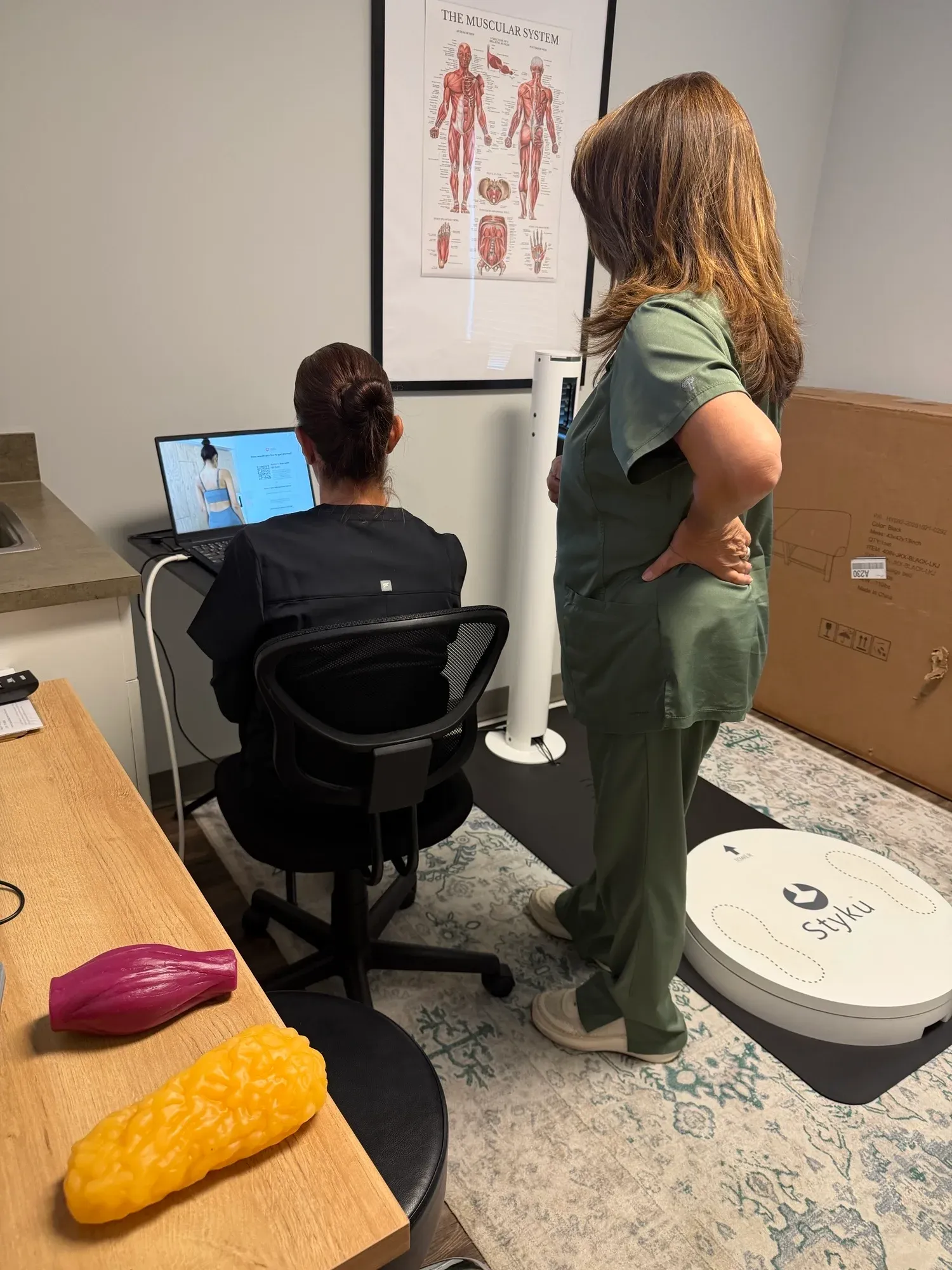
The useful news is that visceral fat is often the first fat to respond. Reviews comparing calorie restriction with structured exercise find that both reduce visceral fat, and that exercise can reduce it even when total weight barely moves, which is exactly the kind of change a scale hides and a 3D body composition scan in Charlotte, NC catches. For most clients the fastest route is a coach-led weight loss program that puts nutrition, movement and sleep on a schedule, with rescans showing what moved under the surface.