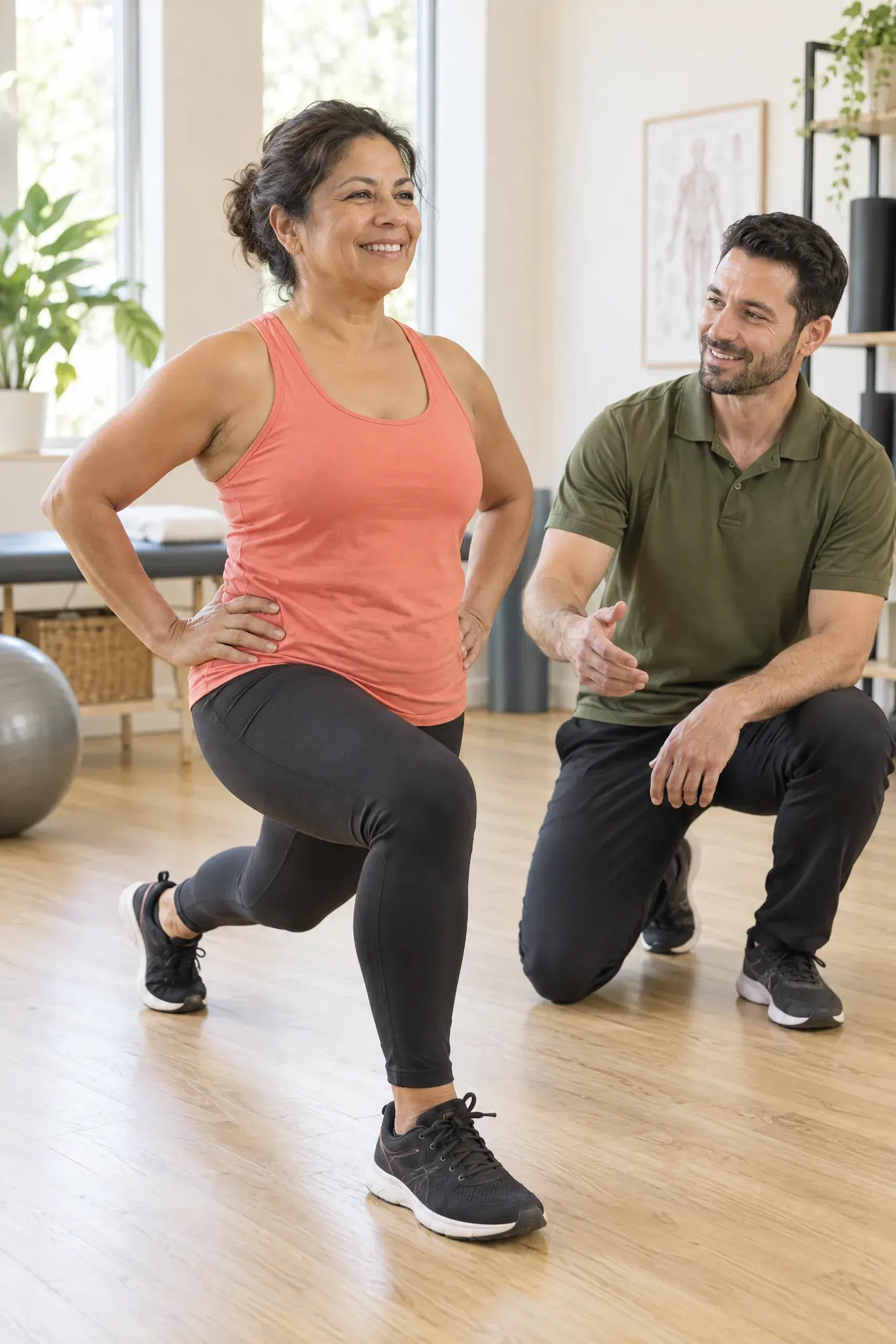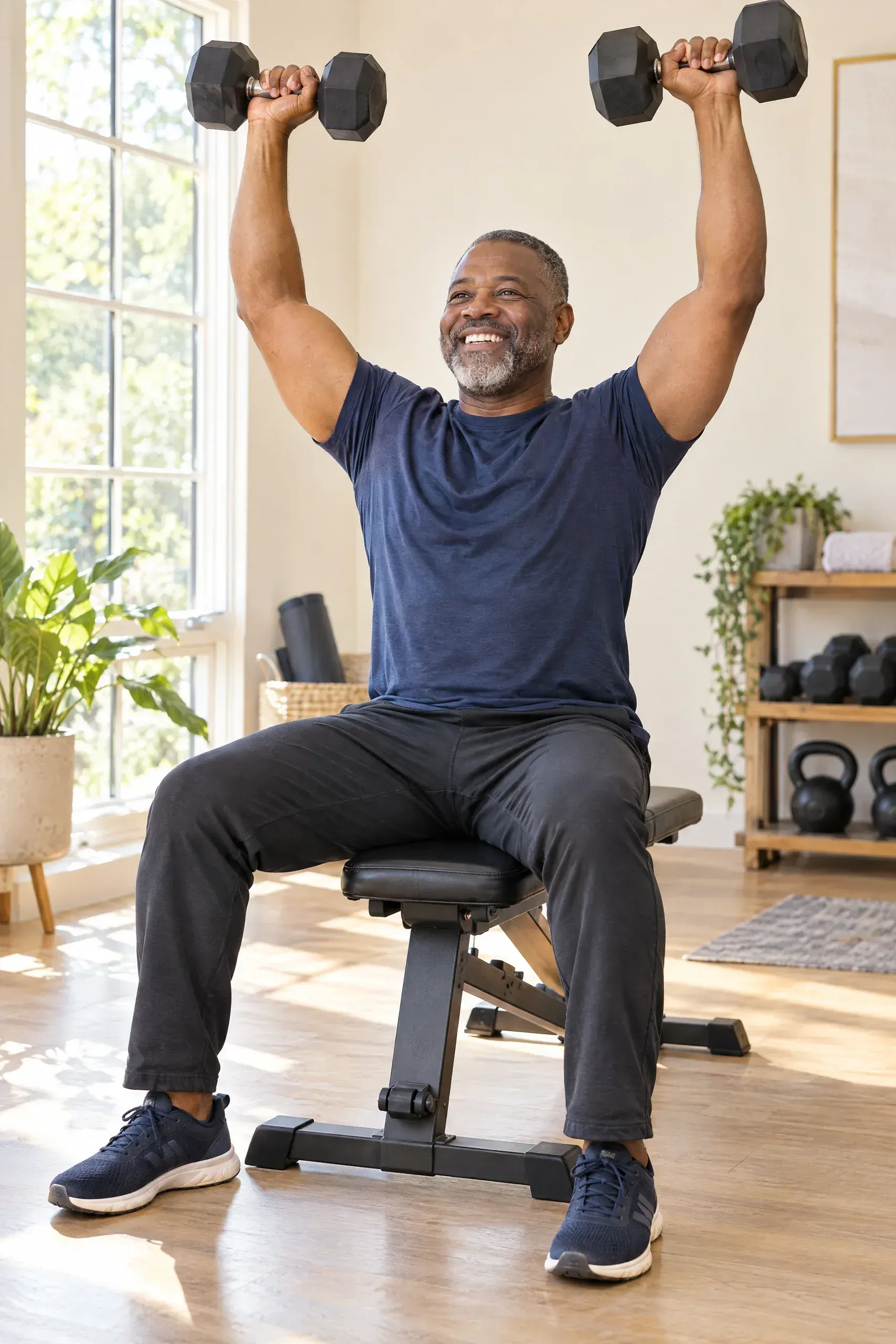

A joint is only as comfortable as the structures around it. Cartilage cushions the joint surface, ligaments hold it steady, and muscle absorbs force before it ever reaches the joint. When the muscle around a knee, hip or shoulder weakens or tires, more of each step and each lift is carried by the joint itself. That is why joint discomfort so often follows a stretch of inactivity, a new job on your feet or a training block that ramped up faster than the tissue could adapt. Rebuilding strength around the joint is the first lever we pull in muscle and joint recovery support in Charlotte, NC.
Load and recovery are the second piece. Tendon and muscle adapt to repeated work, but only when the recovery between sessions is long enough and good enough. Short sleep, back-to-back hard days and a week with no easy movement in it commonly leave the tissue a little more sore and a little less ready each time, so the same workout costs more. Many clients tell us the soreness itself has not changed much. What changed is how long it hangs around. The American College of Sports Medicine has long placed progressive overload and planned recovery side by side for exactly this reason.
Body weight and everyday inflammation do the rest. Each extra pound of body weight passes through the knee several times over with every step, and higher body fat is commonly associated with a low-grade inflammatory state that can make tissue feel more irritable. Neither means a joint has to keep setting the terms. They are the reasons a plan has to look at body composition and recovery habits, not just the joint that hurts, which is also where red light therapy in Charlotte, NC fits as a comfortable, repeatable recovery input.